

Imagine juggling the intense world of cybersecurity where you’re constantly putting out digital fires, with trying to keep your own mental batteries charged. It’s like being a superhero who also needs to take some me-time. Our discussion dives into how we can manage the high-stakes of cybersecurity and stress-packed jobs while also making sure we don’t crash and burn. We’ll talk about everything from rebooting your brain with a dose of humor to the serious implications of cyber threats on mental health. It’s a real talk on balancing the cyber chaos with personal peace, all seasoned with our personal experiences and a sprinkle of practical advice.
In this episode:
Battling Cyber Threats and Burnout – Ep 460
Today’s Episode is brought to you by:
Kardon
and
HIPAA for MSPs with Security First IT
Subscribe on Apple Podcast. Share us on Social Media. Rate us wherever you find the opportunity.
Great idea! Share Help Me With HIPAA with one person this week!
Learn about offerings from the Kardon Club
and HIPAA for MSPs!
Thanks to our donors. We appreciate your support!
If you would like to donate to the cause you can do that at HelpMeWithHIPAA.com
Like us and leave a review on our Facebook page: www.Facebook.com/HelpMeWithHIPAA
If you see a couple of numbers on the left side you can click that and go directly to that part of the audio. Get the best of both worlds from the show notes to the audio and back!
Thanks to our donors.
Battling Cyber Threats and Burnout
[13:16]The importance of mental health in cyber security
77% of cyber incident responders have a strong sense of duty to help and protect.
Reboot Your Mind: a good title to remind us to do it a bit more often. Not a surprise for anyone listening that humor is a major source of mental health reboot for us.
And to that point, here is a recent SNL skit that tickled our funny bone: Beavis and Butt-Head – SNL
From Perplexity.ai:
[20:21]Let’s talk about mental health for privacy and security professionals. But to reduce stress on us we just asked perplexity.ai.
What kinds of angles can we use to discuss the pressures of cybersecurity and privacy managers and mental health awareness month?
Cybersecurity and privacy professionals face immense pressure and stress, which can take a toll on their mental health. During Mental Health Awareness Month, here are some angles you could explore in your podcast:
Burnout and Fatigue in the Cybersecurity Field
- Discuss the high-stakes nature of cybersecurity work, constant vigilance required, and the burden of protecting sensitive data and systems from threats.[1][2]
- Highlight the staffing shortages and skills gaps in the industry, leading to overwork and burnout among professionals.[2]
- Explore the impact of cybersecurity incidents like data breaches or ransomware attacks on the mental well-being of those responsible for incident response and mitigation.[3]
Psychological Toll of Dealing with Cyber Threats
- Examine the psychological impact of constantly monitoring and defending against malicious actors, nation-state threats, and sophisticated cyber attacks.[2]
- Discuss the stress and anxiety caused by the ever-evolving threat landscape and the need to stay ahead of cybercriminals.[1]
- Highlight the potential for vicarious trauma or PTSD-like symptoms among professionals exposed to disturbing content or cyber attacks targeting vulnerable populations.[1]
Promoting Mental Health Support in the Industry
- Emphasize the importance of destigmatizing mental health discussions in the cybersecurity and privacy sectors.[2]
- Explore strategies for fostering a supportive workplace culture that prioritizes mental well-being, such as employee assistance programs, counseling services, and mental health resources.[2][3]
- Discuss the role of industry organizations, professional associations, and regulatory bodies in raising awareness and providing mental health support for cybersecurity and privacy professionals.[1]
Balancing Security and Privacy with Personal Well-being
- Examine the challenges of maintaining work-life balance in a field that demands constant vigilance and responsiveness.[2]
- Discuss strategies for setting boundaries, practicing self-care, and promoting healthy technology habits among cybersecurity and privacy professionals.[2][5]
- Explore the potential impact of emerging technologies like AI, IoT, and VR on mental health and the need for proactive measures to mitigate risks.[1]
By exploring these angles, your podcast can shed light on the unique mental health challenges faced by cybersecurity and privacy professionals and promote awareness, support, and positive change within the industry.[1][2][3]
Citations:
[1] Cybersecurity: a critical priority for digital mental health [2] Well-Informed and Well-Balanced: The Link Between Cybersecurity Awareness and Mental Health [3] THE INTERSECTION OF CYBERSECURITY AWARENESS MONTH AND WORLD MENTAL HEALTH DAY [4] Digital privacy in mental healthcare: current issues and recommendations for technology use [5] Mental Health Awareness: Building a Safe Digital Space in CybersecurityWhat are some common mental health challenges faced by cybersecurity professionals?
Cybersecurity professionals face numerous mental health challenges due to the high-stress and demanding nature of their work. Some common mental health issues they experience include:
Burnout and Fatigue
- The constant vigilance required, dealing with ever-evolving cyber threats, and the burden of protecting sensitive data and systems can lead to burnout and chronic fatigue among cybersecurity staff.[1][2]
- Staffing shortages and skills gaps in the industry often result in overwork and lack of work-life balance, exacerbating burnout.[2][5]
Anxiety and Stress
- The high-stakes consequences of cybersecurity incidents, like data breaches or ransomware attacks, can cause significant anxiety and stress for those responsible for incident response and mitigation.[1][2][5]
- Constantly monitoring for and defending against sophisticated cyber threats from malicious actors and nation-states can be psychologically taxing.[1][2]
Depression and Imposter Syndrome
- More than a third of cybersecurity professionals experience imposter syndrome, which can contribute to mental health struggles like depression.[1]
- The stressful nature of the job, coupled with factors like unrealistic expectations and lack of empathy, can lead to depression among cybersecurity staff.[1][2]
Vicarious Trauma and PTSD
- Exposure to disturbing content or cyber attacks targeting vulnerable populations can potentially cause vicarious trauma or PTSD-like symptoms in cybersecurity professionals.[1]
Lack of Support and Resources
- Many organizations fail to prioritize mental health support or provide adequate resources for their cybersecurity teams, exacerbating mental health challenges.[2][5]
- Poor workplace culture, lack of funding, and ineffective management can also contribute to mental health issues among cybersecurity staff.[1][5]
Addressing these mental health challenges is crucial for the well-being of cybersecurity professionals and the overall effectiveness of cybersecurity teams. Promoting a supportive workplace culture, providing mental health resources, and fostering work-life balance are essential steps organizations can take to mitigate these issues.[1][2][5]
Citations:
[1] 91% of Cyber Pros Experience Mental Health Challenges at Work – Infosecurity Magazine [2] Mental Health In Cybersecurity—51% Of Workers Take Meds, Me Included [3] Report: State of Mental Health in Cybersecurity | Tines [4] The importance of mental health in cyber security [5] Helping Cybersecurity Teams Maintain Mental Health | MimecastHow can cybersecurity managers balance their responsibilities with their mental health?
[35:59] Cybersecurity managers face immense pressure and stress due to the high-stakes nature of their work, which can take a toll on their mental health. Here are some strategies they can employ to balance their responsibilities with their mental well-being:Foster a Supportive Team Culture
- Encourage open conversations about mental health and destigmatize seeking help within the team.[1]
- Promote a healthy work-life balance by setting reasonable expectations and discouraging overwork.[1][2]
- Provide mental health resources and support services, such as employee assistance programs or counseling.[1][2]
Prioritize Self-Care
- Practice stress-management techniques like meditation, exercise, or mindfulness to cope with job demands.[2]
- Take regular breaks and vacations to recharge and avoid burnout.[1][2]
- Maintain healthy habits, such as getting enough sleep, eating well, and engaging in hobbies outside of work.[2]
Implement Efficient Processes and Automation
- Streamline workflows and automate repetitive tasks to reduce workloads and tedious manual efforts.[1][2]
- Invest in security orchestration and automation tools to improve incident response and threat management.[1]
- Ensure adequate staffing and resources to avoid overburdening the team.[1][2]
Seek Professional Support
- Utilize employee assistance programs or seek therapy to address mental health concerns proactively.[1][2]
- Attend industry events or join professional networks to connect with peers and share experiences.[2]
- Consider taking a sabbatical or temporary leave if experiencing severe burnout or mental health issues.[2]
Lead by Example
- As a manager, model healthy behaviors and prioritize your own mental well-being.[1][2]
- Encourage team members to speak up about their struggles and provide support without judgment.[1]
- Celebrate successes and promote a positive, resilient mindset within the team.[2]
By implementing these strategies, cybersecurity managers can create a more sustainable and supportive work environment, reducing the mental health risks associated with their high-pressure roles while maintaining operational effectiveness.[1][2]
Citations:
[1] Helping Cybersecurity Teams Maintain Mental Health [2] Tackling the Mental Health Challenges of Cybersecurity Leadership [3] Mental Health In Cybersecurity—51% Of Workers Take Meds, Me Included [4] State of Mental Health in Cybersecurity [5] The importance of mental health in cyber securityYep, the bad guys know this too
[47:30] One point was that our burnout is making the bad guys target us during the time of day we are most likely to be in a bad place. As we were getting ready to record, this one popped up as smishing for Donna: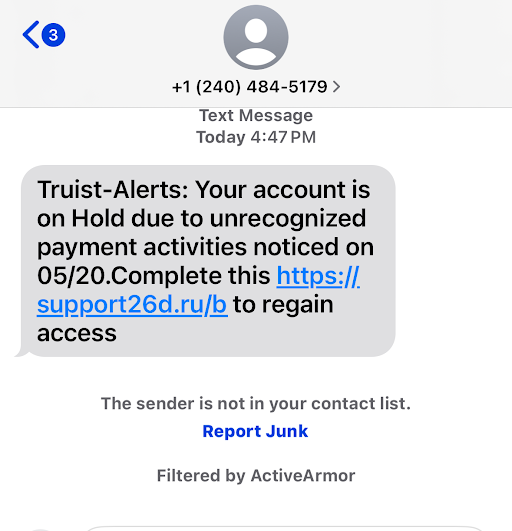
Let’s recap
[49:11]The best list to end with was included in another of the references from Perplexity, Well-Informed and Well-Balanced: The Link Between Cybersecurity Awareness and Mental Health by Michael Kennedy.
4 tips for positive mental health from the article:
- Having thoughts of impending doom does not mean doom is impending. That tightness in your chest or pit of your stomach is a natural response to what we are seeing every day on the front lines of cybersecurity. It’s your cue to take a step back and find something good, funny, or hopeful to think about. Refresh your perspective.
- Normalize talking about how you feel. As soon as you acknowledge it and say it out loud to someone else who understands exactly what you are going through—because they are going through the same thing—it becomes less scary. Addressing mental health in the workplace and fostering a safe environment for sharing feelings of stress is also crucial for employers and company leaders to promote employee well-being, enhance productivity, and create a positive, inclusive culture.
- Do what works for you. When it comes to relieving stress and anxiety, some people take walks or go to the gym. Others lean into mental health apps, meditation or deep breathing exercises. Personally, I like to recharge by finding ways to help other people and spending time outdoors. Whatever your go-to method for shedding stress or anxiety might be, I promise the time will be well spent.
- Reach out to another human who can support you when you need it most. It can be a friend, mentor, spouse, trusted colleague, neighbor, or mental health professional. If you or someone you know is experiencing a mental health crisis, call or text 988 immediately. If you are uncomfortable talking on the phone, you can even chat with someone at the Suicide & Crisis Lifeline at 988lifeline.org, or text NAMI to 741-741 to be connected to a free, trained crisis counselor on the Crisis Text Line. You don’t have to suffer alone—there are so many people and communities who are ready to help.
From the heavy burden of knowing the stakes in cybersecurity, especially in healthcare, to navigating through mental health challenges, it’s clear that this field isn’t for the faint of heart. It’s about striking that perfect balance—staying vigilant against threats without letting the stress turn you into a robot. So, take a leaf out of our book: laugh a little, seek support, and remember, even the best of us need to hit the pause button and reboot now and then. Cybersecurity is tough, but with the right approach, you can tackle it without losing your smile.
Remember to follow us and share us on your favorite social media site. Rate us on your podcasting apps, we need your help to keep spreading the word. As always, send in your questions and ideas!
HIPAA is not about compliance,
it’s about patient care.TM
Special thanks to our sponsors Security First IT and Kardon.


